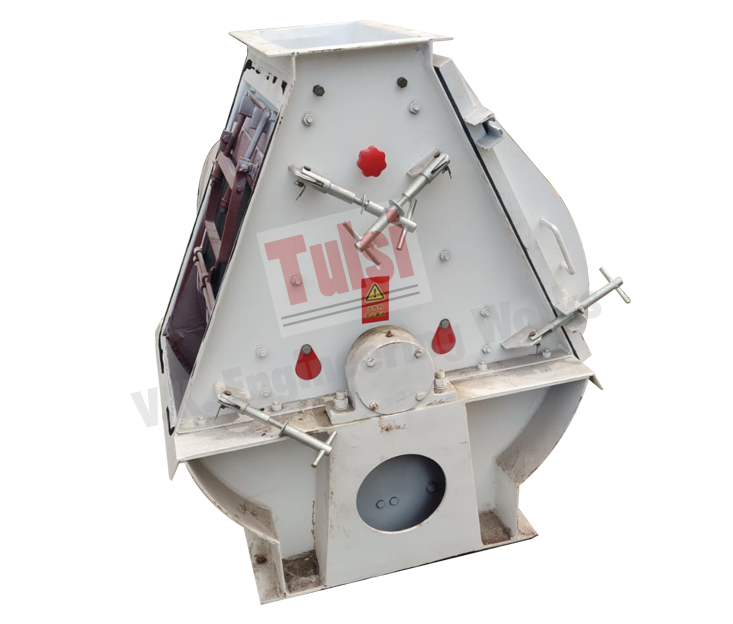
Soyabean Machinery Equipments
Destoner :- The seeds and nuts are the produce of the harvest.
While farmers collecting the seeds and nuts some stones will be entered unintentionally. Under normal operations the stones will be separated from general vibratory screens and gyro screens. There are certain instances where the beans / seeds / nuts are of the same size make it difficult to separate the stones.
Under such circumstances density cum gravity separator with aspiration system will be used to separate the stone from the same size of seeds and beans.
The beans / seeds / nuts will be feed from the top and air will be adjusted through the dampers to make it aspirational density separation and then gravity system used to isolate stones and discharged at opposite ends.
Features of Pressure Type Destoner
» Compact Design.» All Steel with View Windows made up of transparent acrylic sheets
» Excellent separation No wastage of Seeds/Beans
» Minimum Maintenance
» Easy to Clean
» Easy to adjust Vibration and Air flow
» Highly Balanced design
» Easily replaceable rubber mounts
Cooler :- Features of Flaker
» It is completely designed with Steel Cast Bearing Body filled with bearing, oil seals grease nipple and cover» Belt tensioning device is provided along with V-belts and Pulleys.
» Feeder is provided to feed the material with uniform flow.
» Geared Motor of 1 HP is provided to drive the Feeder.
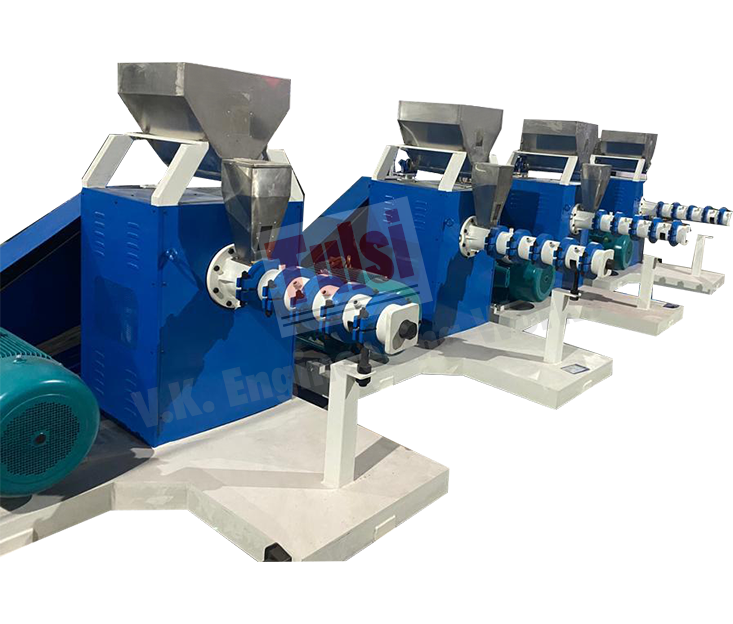
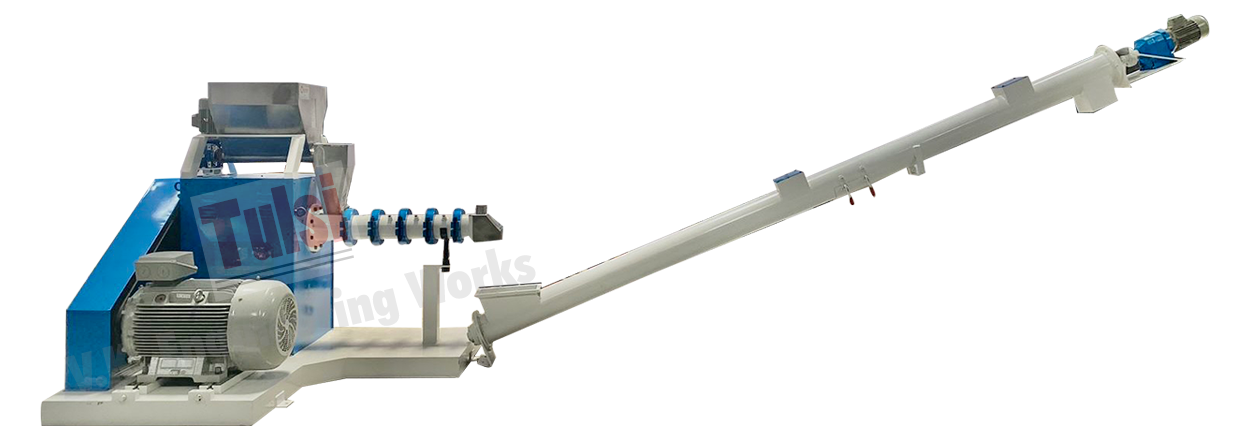
SOYBEAN DEHULLING – HOW DOES IT WORK?
Raw SoybeanA topic we come across often is the need, or want, for soybean dehulling. Dehulling (or decortication) is the process of removing the hull of a seed and can be applicable to more than just soybeans. Typically, a producer wishes to decrease the final fiber content in the end product, so dehulling is the answer. To start, the seeds should have a moisture content of about 10%. This dryness allows the beans to be cracked as they pass through the roller mill.
Typical dehulling process flow:
» Beans are sent through the roller mill.» Ideally, soybeans should be cracked into 4-6 pieces.
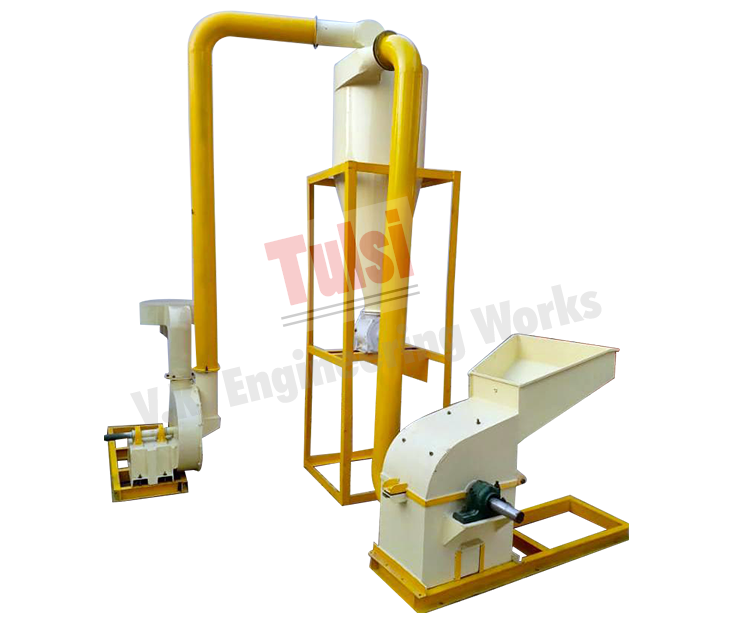
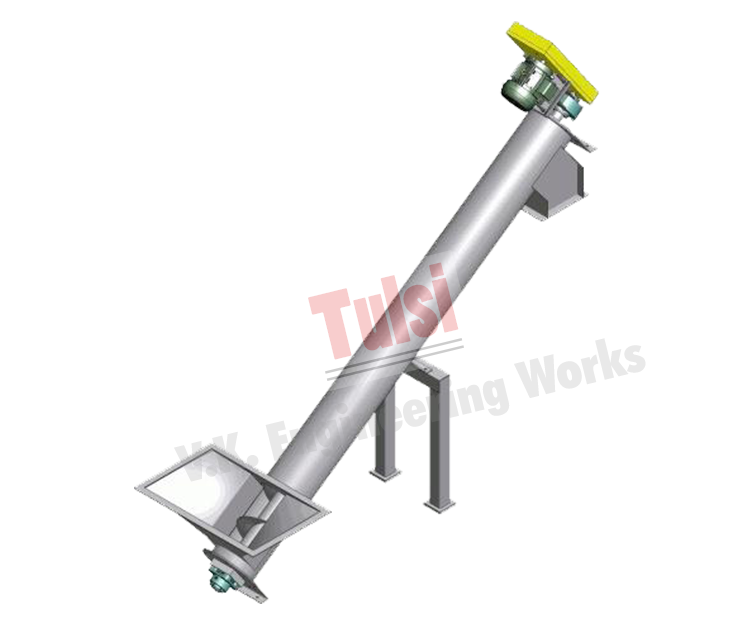
1) Tulsi Expeller Industry: Afterwards, they are conveyed to the primary aspirator. The aspirator has a series of steps which the beans bounce on. The fan/cyclone system is set to only vacuum off the hulls while the meats fall through via gravity into the conveyor.
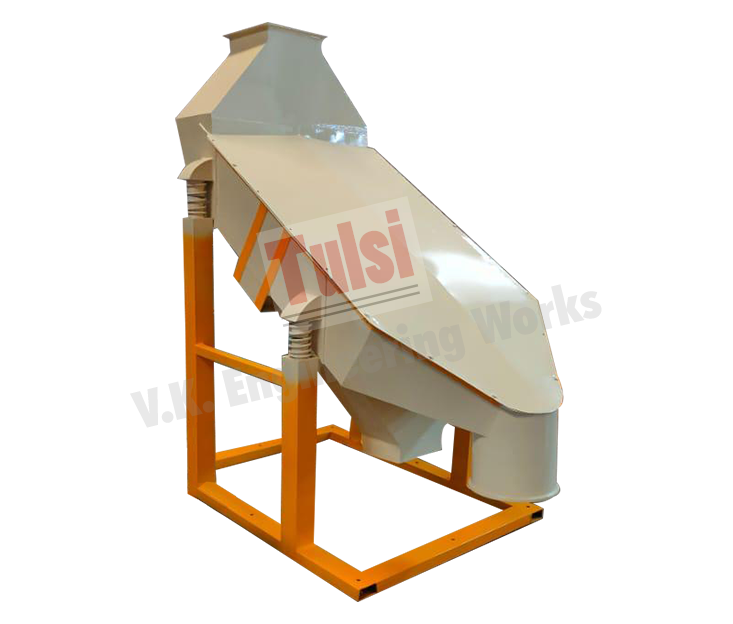
2) The cyclone picks up a combination of hulls as well as meats and deposits them into the sifter/screener. The sifter/screener contains a series of screens that separates and classifies the remaining hulls and meats. The shaking action loosens everything and places them into various streams, usually overs, unders, and discard.
2) The cyclone picks up a combination of hulls as well as meats and deposits them into the sifter/screener. The sifter/screener contains a series of screens that separates and classifies the remaining hulls and meats. The shaking action loosens everything and places them into various streams, usually overs, unders, and discard.
3) The overs/unders are conveyed to their own aspiration systems complete with fans. Here, they go through the same steps as primary aspiration, but with less aggressive settings to retrieve even more meats.
4) Finally, dehulled product is ready to move on to more processing, which in our case is oftentimes extrusion. Hulls are usually collected and sent to a hammer mill for final grinding to reduce overall volume.
Tulsi Expeller Industry: Typically, a system such as the one described will retrieve approximately 98% of available soybean meal. The rest is generally lost due to fines generation and conveying losses. This system would be used for maximum meal retention in a plant that processes at least 4-6 tons per hour. There are options for smaller plants as well, such as only performing primary aspiration or using a smaller classifier.